
Crop Diversity
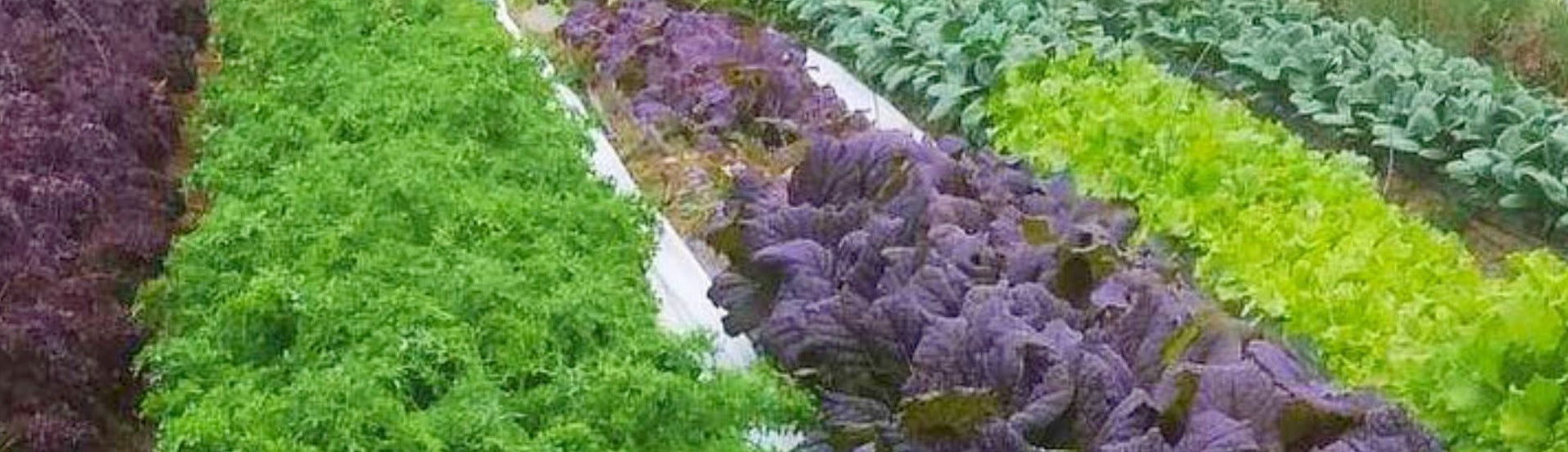
Cultivating more than 500 varieties as a deliberate strategy for resilience, soil health, and culinary excellence
Diversity as Strategy
At Norwich Meadows Farm, crop and seed diversity is a strategy—not abundance for its own sake. By Organic Farming, avoiding monoculture and cultivating a wide genetic base, we reduce vulnerability to pests, disease pressure, and weather volatility. Different varieties respond differently to environmental stress; diversity distributes that risk across the field and throughout the season.
This disciplined approach allows us to maintain consistent organic production and stable yields in an increasingly unpredictable New York climate.
A Living Seed Laboratory
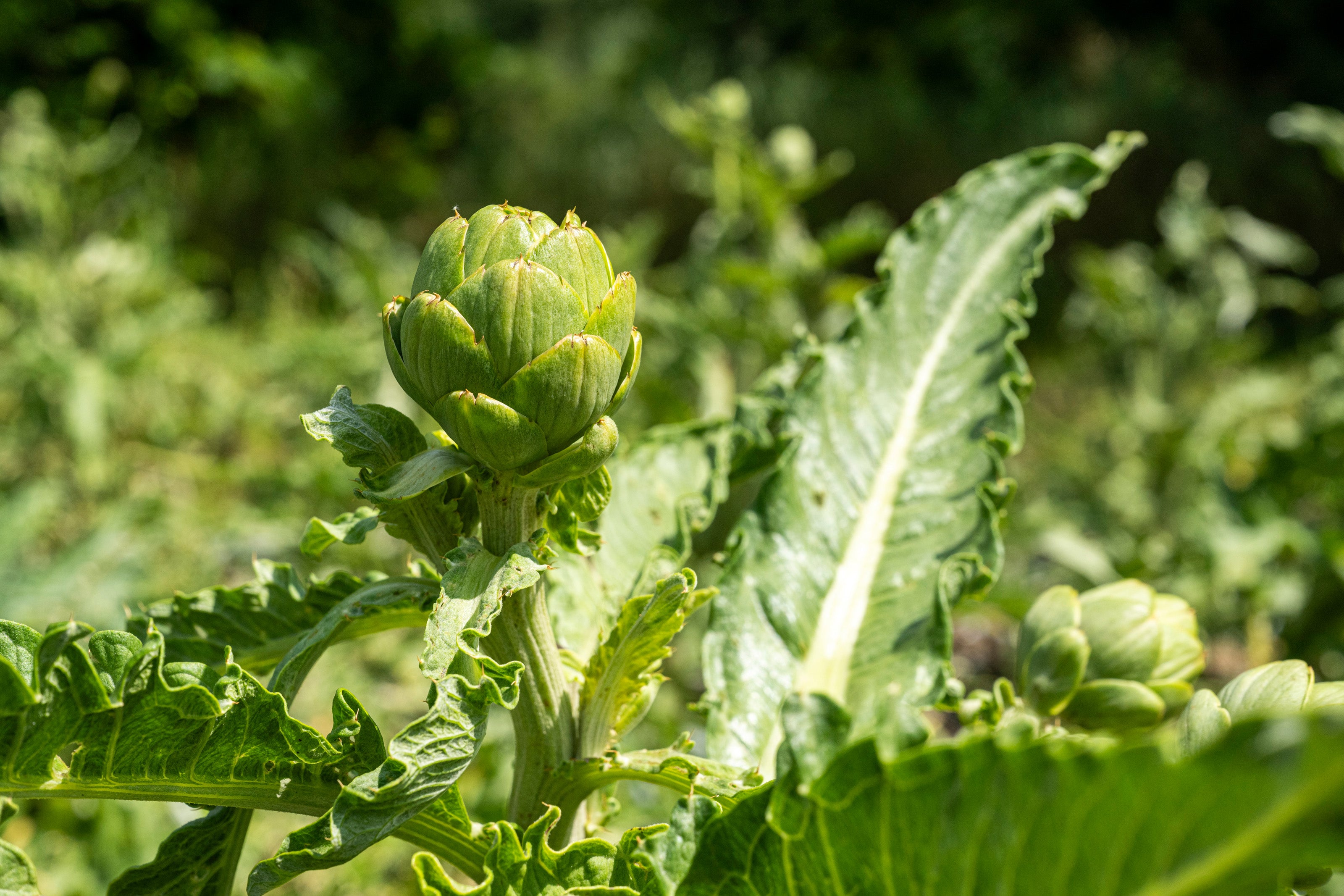
For more than twenty years, we have partnered with leading plant breeders and seed companies to trial and refine exceptional varieties suited to organic systems. We do not simply plant what is commercially available. We test varieties for field performance, disease resistance, nutrient density, and—critically—flavor.
Only those that thrive biologically in our soil and perform consistently under organic management become part of our production system. This turns the farm into a living seed laboratory where genetics, soil health, and culinary performance converge.
Diversity Strengthens Soil and Ecosystems
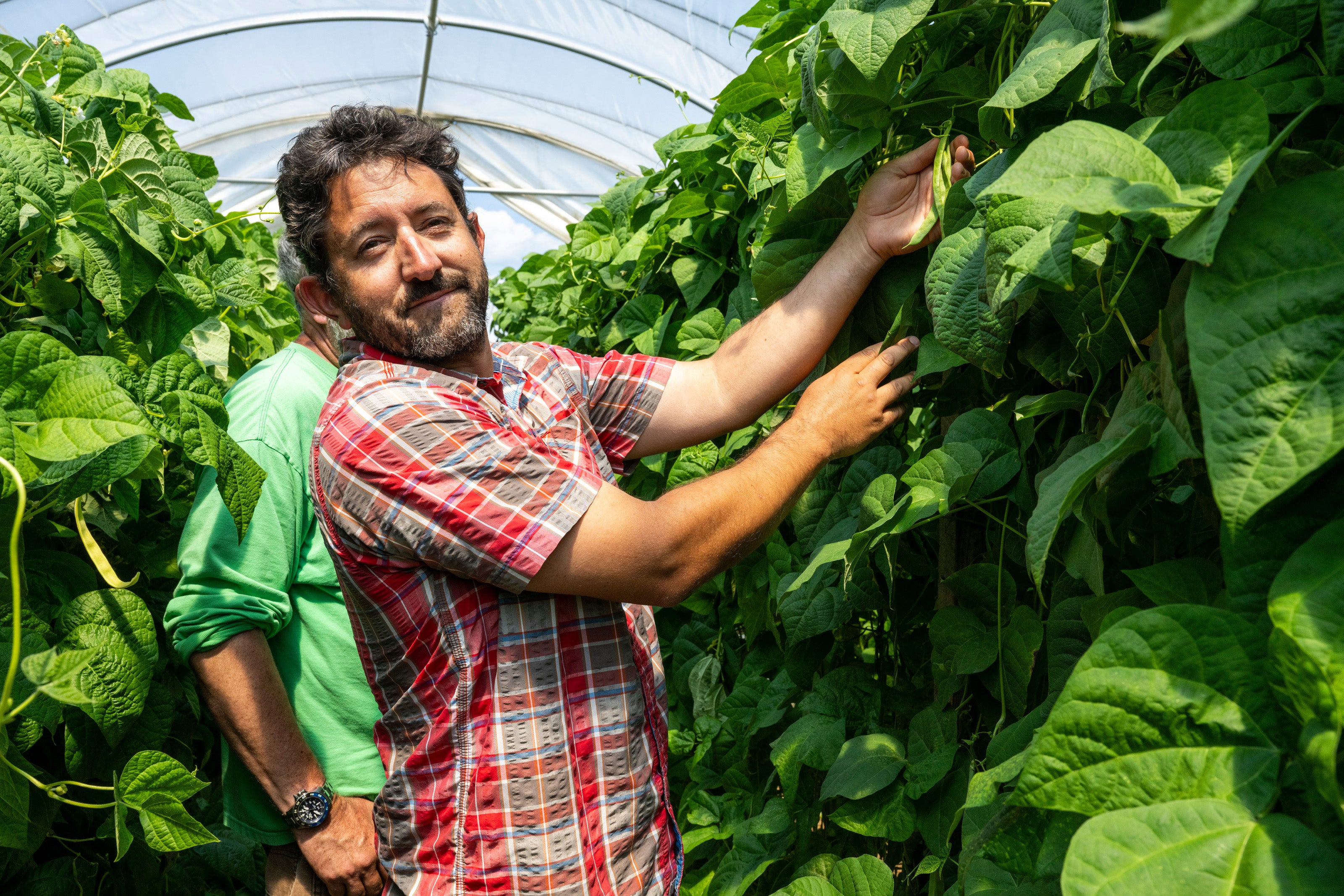
Crop diversity supports biological life both above and below ground. Varied root structures improve soil aggregation and nutrient cycling, while rotational diversity disrupts pest and disease cycles. Flowering crops attract pollinators and beneficial insects that contribute to a balanced ecological environment.
Diversity above ground cultivates diversity below ground—strengthening microbial communities and enhancing long-term field productivity.
The Chef’s Perspective
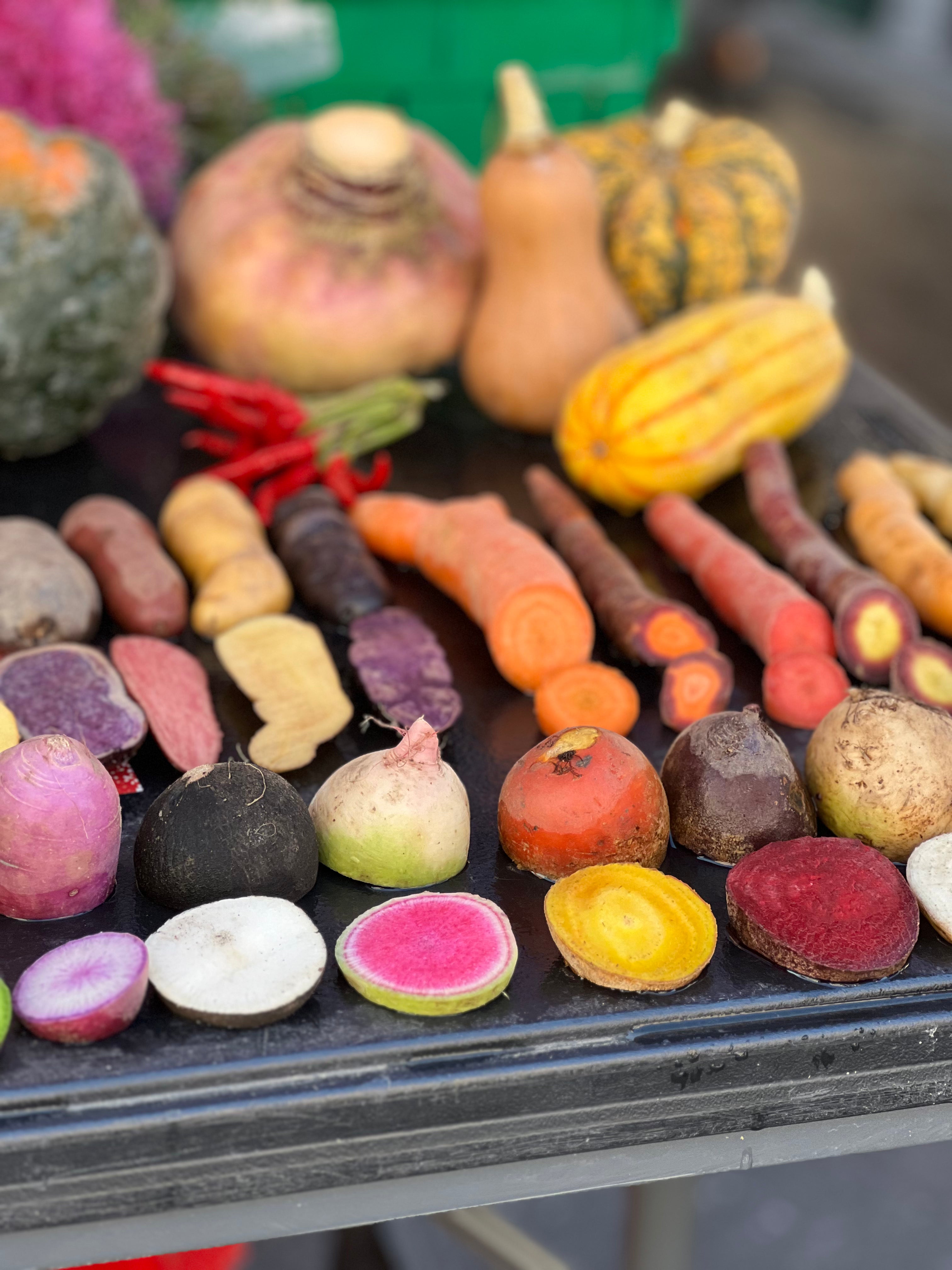
“Zaid is like the best kind of chef. He’s willing to take a bet on unknown varieties just to experiment with what he believes will yield better flavor. His farmers’ market stand is like a supermarket of future possibilities.”
— Dan Barber, Blue Hill
A Collaboration With Fruition Seeds
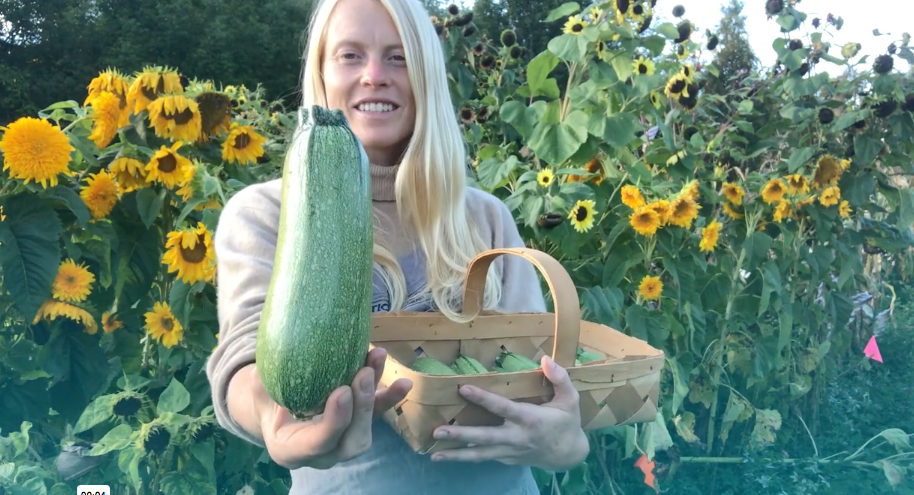
Crop diversity at Norwich Meadows Farm is not variety for its own sake—it is integrated system design. By cultivating genetic diversity and collaborating with breeders and chefs, we strengthen resilience, enhance soil biology, and expand the boundaries of flavor.